

 English
 Français
 Deutsch
 Italiano
 Português
 Русский
 Español
 简体中文
简体中文 日本語
日本語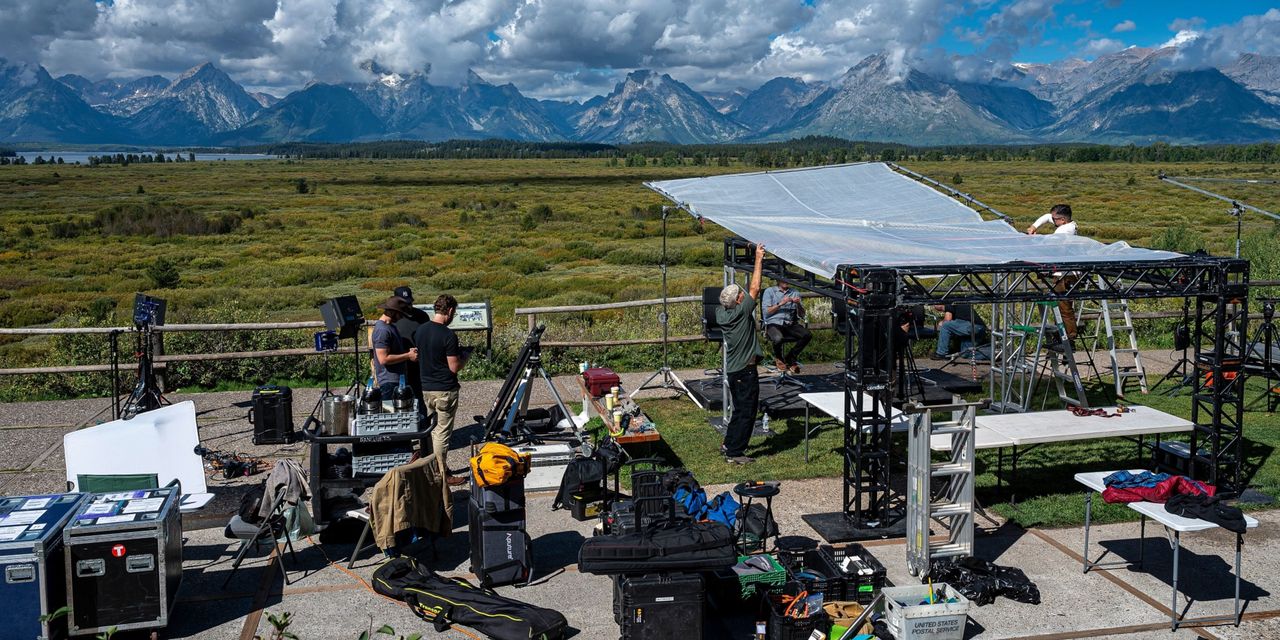

JACKSON, Wyo. — The debate among top economists and Federal Reserve officials in recent weeks has subtly begun to shift from how high the central bank will be raising interest rates to how long it will be keeping them in restrictive territory. There’s also a question buried deeper in the subtext: Will the ultraeasy money policies that dominated the 2000s and 2010s ever return?
That topic will be explored over the next two days as top economists, policy makers, and central bank officials who have gathered in Jackson Hole, Wyo., for the Fed’s annual late-summer confab.
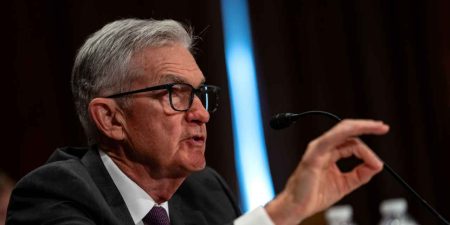
For all the outsize attention devoted to the Chairman Jerome Powell’s speech from the Tetons each year, those remarks represent only a small sliver of the three-day economic policy symposium. The rest of the time is saved for the presentation of rigorous economic research all focused on the same theme, which this year is “Structural Shifts in the Global Economy,” as well as panels discussing the ideas being presented.
The goal of this year’s Jackson Hole symposium, according to the event hosts at the Kansas City Fed, will be to examine “several significant, and potentially long-lasting” international economic developments that have taken hold since the Covid-19 pandemic. That list includes shifting trade networks, a rapid tightening of monetary policy, and a substantial increase in sovereign debt, all of which could have significant impact on the global economy over the long term.
The academic research presented will look at how each of these changes is likely to affect both growth and monetary policy over the next decade.
“During economic tumult and higher inflation and interest rates in most countries, the discussions, instead, will look out years ahead and discuss whether this is the new normal,” Claudia Sahm, an independent macroeconomist and former Fed staffer, wrote. “If not, where are we headed?”
Besides Powell, who will give his opening remarks on Friday morning, there are other notable figures scheduled to speak, although the Fed chief is the only speaker who will be broadcast.
European Central Bank President Christine Lagarde will deliver a luncheon address on Friday. Bank of Japan Gov. Kazuo Ueda, Bank of England Deputy Gov. Ben Broadbent, and World Trade Organization Director-General Ngozi Okonjo-Iweala will appear together for a panel Saturday morning titled “Globalization at an inflection point.”
The academic papers discussed at the symposium will be posted publicly after they are presented.
These sessions are where some of the most prescient thoughts on the economy have emerged over the 40-plus years the event has been held. In 2005, for example, University of Chicago economist Raghuram Rajan delivered a blistering critique of recent financial developments that had occurred under then-Chairman Alan Greenspan. With Greenspan in the audience, Rajan said that the widespread use of credit-default swaps and a steep rise in housing prices were making the world riskier and could lead to a “full-blown financial crisis.”
In 2014, then-ECB President Mario Draghi spoke about falling inflation in the euro area and suggested a need to do more to combat it. The ECB then began buying bonds and engaging in sweeping quantitative easing efforts several months later.
Write to Megan Cassella at [email protected]
Read the full article here