
 English
 Français
 Deutsch
 Italiano
 Português
 Русский
 Español
 简体中文
简体中文 日本語
日本語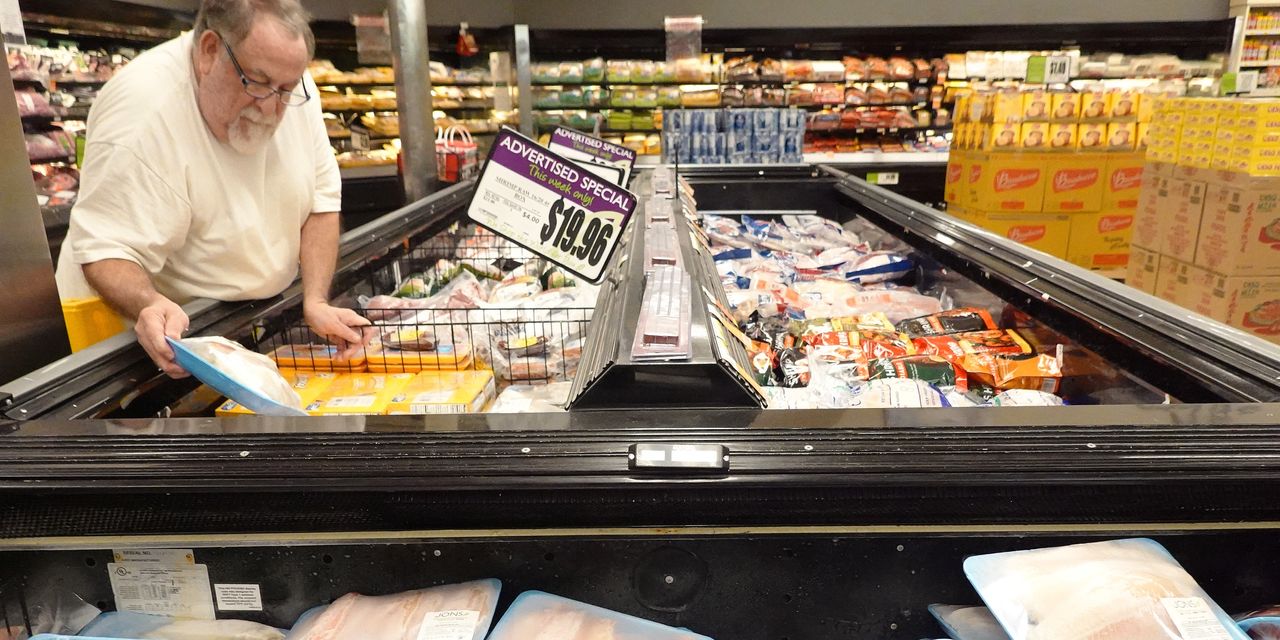

Story developing. Stay tuned for updates here.
The numbers: U.S. consumer prices leaped 0.6% in August — the biggest increase in 14 months — largely because of higher oil prices. Yet inflation more broadly did not appear to show an alarming increase.
The yearly rate of inflation moved up to 3.7% last month from 3.2% in July and a 27-month low of 3% in June.
If energy and food are set aside, so-called core inflation rose a smaller 0.3% in August, the consumer price index showed.
That was a tick above Wall Street expectations, however, and cast a negative tone over financial markets
Read MarketWatch’s full coverage of the CPI.
The yearly rate of core inflation, for its part, decelerated to 4.3% from 4.7% and touched the lowest level in 22 months.
The Federal Reserve views the core rate as a better predictor of future inflation trends since energy and food prices often jump up and down.
The August inflation report is unlikely to sway senior Fed officials ahead of their regular meeting next week at which they expected to hold a key U.S. interest rate at current levels. Some economists even think the Fed is done raising rates.
The central bank has jacked up its benchmark rate to a top end of 5.25% from near zero a year and a half ago in an effort to slow the economy and temper inflation.
Fed officials now believe inflation will continue to slow toward their 2% target. They worry they could tip the economy into a recession if they go too far.
Key details: The cost of gas surged almost 11% last month and accounted for more than half of the increase in the CPI. Falling energy prices had played a big role in the slowdown in inflation earlier in the year.
The cost of food increased a mild 0.2% last month. Grocery prices soared in 2022, but they are no longer rising rapidly.
The cost of shelter — the biggest expense for most families — increased a modest 0.3% last month. It’s been a big contributor to the worst inflation outbreak since the early 1980s. Rents still rose a sharp 0.5%, however.
Fed officials believe shelter prices will continue to ease and help drive the rate of inflation lower in the months ahead.
Other nuggets in the report:
Airline fares climbed nearly 5% after four straight declines, contributing to the elevate core CPI reading. Prices could rise further if the cost of oil remains high.
The cost of auto insurance, new cars and trucks and home furnishings also rose in August.
Prices for used vehicles dropped again and hotel rates also declined for the third month in a row.
Big picture: Inflation is still more than double the Fed’s 2% target based on its preferred core measure, but it’s been headed in the right direction.
That’s probably enough to keep the Fed on the sidelines next week. And the bank might be done raising rates if shelter and labor costs continue to moderate.
Any backsliding in those areas, however, could also force the Fed’s hand.
Market reaction: The Dow Jones Industrial Average
DJIA,
and S&P 500
SPX,
were set to open lower in Wednesday trades.
The yield on the 10-year Treasury note
TMUBMUSD10Y,
rose to 4.30% because of the elevated core CPI reading.
Read the full article here